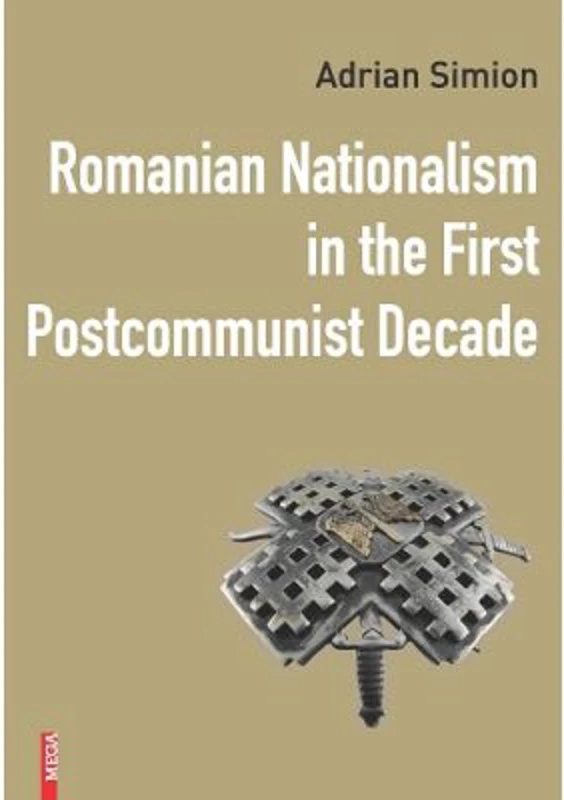
Romanian nationalism in the first postcommunist decade - Adrian Simion
de Adrian Simion
MEGA · 2024 · 9786060207665 · 448
Recomandat · cel mai mic preț
Librariadelfin.ro
Opțiuni de livrare
65,28leipreț carte
Cumpără la Librariadelfin.roToate ofertele
1 librării
- Librariadelfin.ro65,28leiLivrare neafișată—
Actualizat 18 maiNu avem costul livrării pentru aceste librării, așa că ofertele sunt comparate doar după prețul cărții.
Despre carte
Romanian nationalism has been and it still is a research topic that has generated and still generates various controversies, both at the level of the opinions of the authors who have dealt with this subject, and at the level of the interpretations that the reader can have on such a topic. And the analysis of the evolution of Romanian nationalism since 1989 is a theme that can be included in this framework of different, and sometimes even contradictory, approaches. Moreover, any analysis of post-communist Romanian nationalism may have its limitations, in terms of the authors’ approaches, and because, in general, approaches to nationalism have a certain potential for inaccuracy. The nationalist phenomenon is very complex because it refers to the people (the nation) and the country and quite often the boundary between nationalism and patriotism, for example, is quite weak. And in the Romanian case, things were even more complicated, both because the nationalism responded to a need for homogeneity existing in the post-communist Romanian society, and because the Romanian nationalism had a specific and quite complex typology.
In this paper, we referred more to those aspects that looked at the presence of nationalism in areas such as society, culture, religion or interethnic relations. Moreover, the period chosen for the study was rather a delicate one, considering the fact that the last decade of the twentieth century was, for Romania, a period of search of the road that the country needed to straighten, after half a century of totalitarian regime. And studying nationalism in such a historical context may have different interpretations, especially since post-communist Romanian nationalism, as some Romanian authors have stated, could be considered as paradigmatic for nationalism in general, because of its subtlety and complexity. (from the „Introduction”)
Specificații
- ISBN
- 9786060207665
- Editura
- MEGA
- Anul aparitiei
- 2024
- Pagini
- 448
Mai multe de la MEGA

Diminutivarea cuvintelor in limba romana. O abordare psiholingvistica - Silvia Ilut

Tabuul lingvistic. O analiza pragmalingvistica - Roxana Pasca
Castelul si Spada. Cultura materiala a elitelor din Transilvania in Evul Mediu Tarziu - Adrian Andrei Rusu

Romania. Album de istorie postdecembrista 1990–2020 - Calin Hentea
Colectia legilor administrative 1918–1949 - Zoltan Gyorke
Limba franceza. Culegere de teste grila pentru admiterea in invatamantul superior Academia de politie si scolile de politie - Andreea Maria Sarmasiu
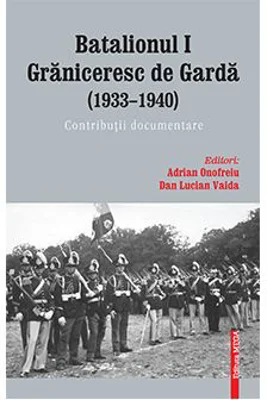
Batalionul I graniceresc de garda (1933–1940). Contributii documentare - Adrian Onofreiu, Dan Lucian Vaida
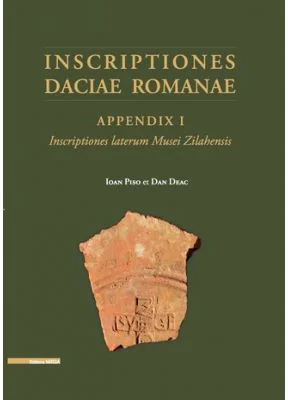
INSCRIPTIONES DACIAE ROMANAE. APPENDIX I. INSCRIPTIONES LATERUM MUSEI ZILAHENSIS - Ioan Piso, Dan-Augustin Deac
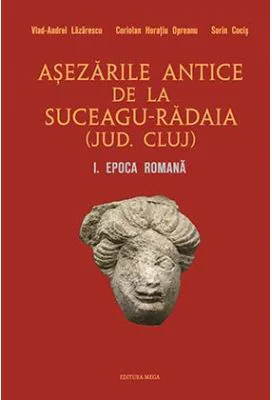
Asezarile antice de la Suceagu-Radaia (jud. Cluj) I. Epoca Romana - Vlad-Andrei Lazarescu, Coriolan Horatiu Opreanu, Sorin Cocis

Parlamentul si politica externa a Romaniei (1899 – 1914) - Sebastian-Dragos Bunghez

In umbra tigrului de hartie. Ruptura sovieto-chineza in ecuatia bipolarismului (1961–1963) - Mihai Croitor, Sanda Croitor